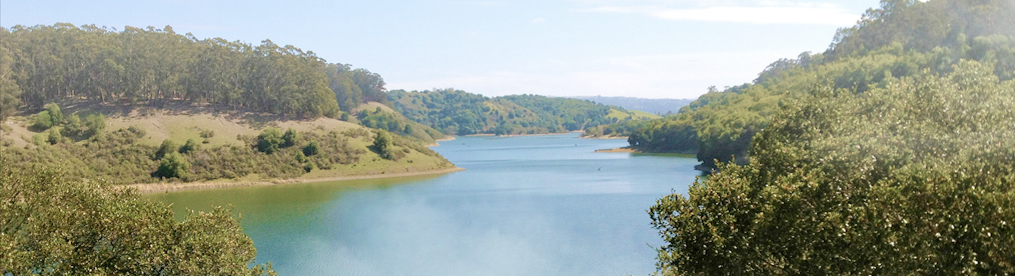
Coastal regions pose unique challenges for water piping due to high salt content, humidity, and fluctuating temperatures. Schedule 80 PVC water pipe is a practical choice for these environments because of its strong resistance to corrosion and chemical degradation. LESSO America supplies Schedule 80 PVC pipes engineered to withstand the demanding conditions common in coastal areas, helping to maintain system integrity over time.
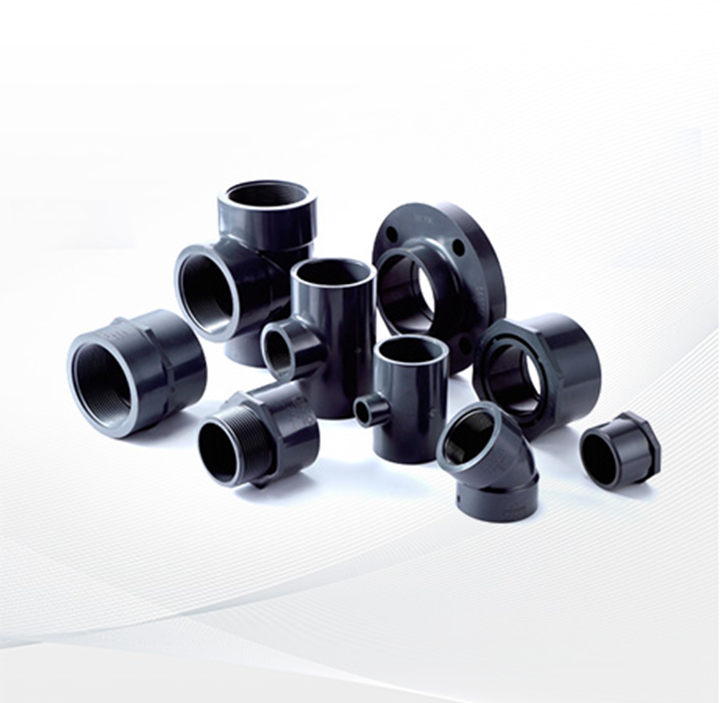
Key Considerations for Installation
When installing Schedule 80 PVC water pipe in coastal regions, it is important to consider factors such as UV exposure and soil conditions. Although PVC is resistant to many environmental elements, prolonged exposure to sunlight can cause material brittleness. Using UV-protective coatings or installing pipes underground can extend the lifespan of the piping system.
Additionally, soil in coastal zones often contains salts and moisture that can impact pipe support structures. Proper bedding and anchoring of pipes are essential to prevent shifting and damage. LESSO America’s pipes offer consistent quality to ensure ease of installation and secure fit in these demanding conditions.
Benefits of Schedule 80 PVC for Coastal Water Systems
Schedule 80 PVC water pipe’s thicker walls provide higher pressure tolerance, which is useful in coastal water distribution systems where pressure fluctuations may occur. Its chemical resistance reduces the risk of damage from saltwater exposure, making it suitable for municipal water lines, irrigation systems, and industrial applications near the coast.
Compared to metal pipes, Schedule 80 PVC requires less maintenance and resists corrosion, which helps reduce long-term operating costs. This reliability contributes to a more stable water supply infrastructure in coastal settings.
Conclusion
For water piping needs in coastal regions, Schedule 80 PVC water pipe from LESSO America offers a durable and reliable option. By addressing specific installation considerations and leveraging the pipe’s resistance to corrosion and pressure, projects can achieve efficient and long-lasting water systems. Proper planning and quality materials ensure coastal water infrastructure performs well despite environmental challenges.